

What Features to Look for When Selecting a Healthy Flowering Landscape Plant at the Nursery
November 10, 2026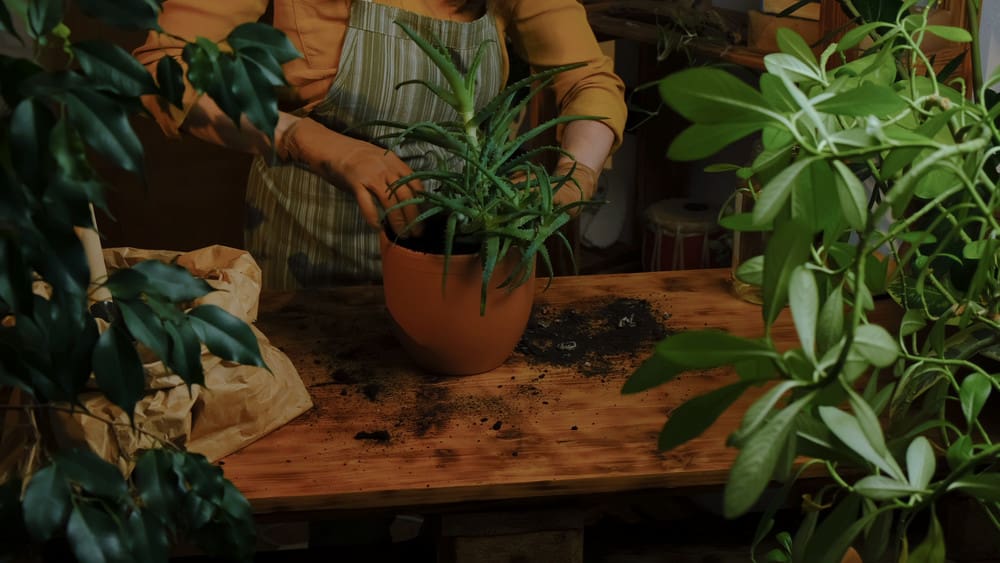
Highlights
- Quality potting soil gives indoor plants the structure, drainage, and air their roots need.
- Containers with drainage holes help prevent waterlogged soil and root rot.
- Simple watering tools and moisture checks reduce the risk of overwatering.
- Pruners, trowels, and other basics make routine care quicker and cleaner.
- Indoor plants need adjusted care in winter, when growth slows and heated homes dry out the air.
- Schwartz's Greenhouse offers quality garden supplies, tools, and friendly advice in Romulus.
Indoor plants bring color, life, and a sense of calm to any home. Yet many people find that keeping them healthy is harder than expected. Leaves yellow, stems droop, and a plant that looked perfect at the store struggles within a few weeks.
Where you live can also play a role. According to Gardeningetc, urban gardeners reported that 43% of their plants had died, compared with 30% for those living rurally. Limited light, dry indoor air, and busy schedules can all make plant care more challenging.
The good news is that most indoor plant problems are preventable. Having the right soil, containers, and tools takes much of the guesswork out of the process. Below, we'll explain how essential supplies make caring for indoor plants much easier, so your greenery can thrive through every season.
Starting With Quality Potting Soil
Soil is the foundation of every healthy container plant. Indoor plants rely entirely on the mix in their pot for water, air, and nutrients, so choosing the right one matters more than many people realize.
Garden soil from the yard isn't a good choice for containers. It compacts easily, drains poorly, and can carry pests or disease. Potting mixes are designed specifically for containers, typically combining ingredients like peat moss, coconut coir, pine bark, and perlite to balance moisture and air.
According to Virginia Cooperative Extension, improper watering is the most common cause of poor houseplant growth and even death, and most commercially available potting soils are engineered to drain well and contain plenty of air space, which reduces the chance of drowning your plants.
Some plants have specialized needs. Cacti and succulents prefer fast-draining mixes, while orchids grow best in chunky bark-based blends. For most common indoor plants, a quality all-purpose potting mix is an excellent starting point. Using fresh, high-quality soil is one of the simplest ways to make caring for indoor plants easier from day one.
Choosing Containers With Proper Drainage
The pot you choose affects how quickly soil dries and how well roots can breathe. The most important feature is a drainage hole. Without one, excess water collects at the bottom of the pot, saturating the soil and depriving roots of oxygen.
Container material makes a difference too. Plastic pots are lightweight and hold moisture longer, which suits plants that prefer evenly moist soil. Unglazed terracotta is porous, allowing moisture to evaporate through the walls, which helps plants that prefer drier conditions. Decorative glazed pots often lack drainage holes, so many people use them as an outer cover with a plastic nursery pot inside.
Size matters as well. A pot that's too large holds more soil than the roots can use, keeping the root zone wet for too long. When repotting, choose a container only slightly larger than the current one.
Using Watering Tools That Prevent Overwatering
Watering seems simple, but it's where most indoor plant problems begin. Overwatering is less about how much water you give and more about how often.
A watering can with a narrow spout lets you direct water to the soil without soaking the leaves, which is especially helpful for plants that dislike wet foliage. Drainage saucers catch excess water, but they should be emptied so pots don't sit in standing water.
Checking moisture before watering is one of the best habits you can develop. Pushing a finger an inch or two into the soil works well, and an inexpensive moisture meter can make the process even easier. For busy households or frequent travelers, self-watering containers can help maintain more consistent moisture for plants that prefer evenly damp soil.
These simple tools help turn caring for indoor plants into a quick routine rather than a guessing game.
Keeping Pruners and Hand Tools Within Reach
A few basic hand tools make routine maintenance faster and cleaner. Sharp pruners or scissors allow you to remove yellowing leaves, trim leggy stems, and shape plants without crushing tissue. Clean cuts heal faster and reduce the chance of disease.
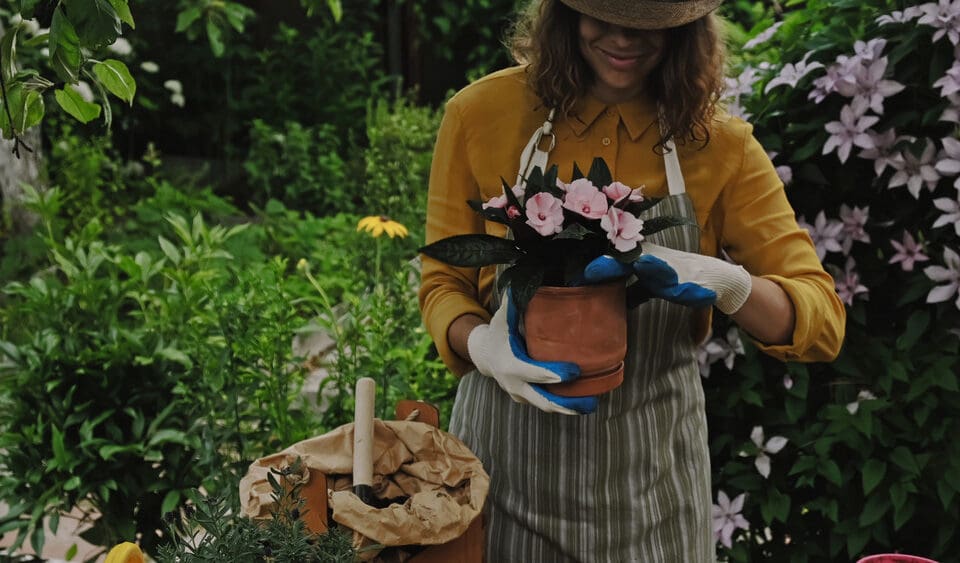
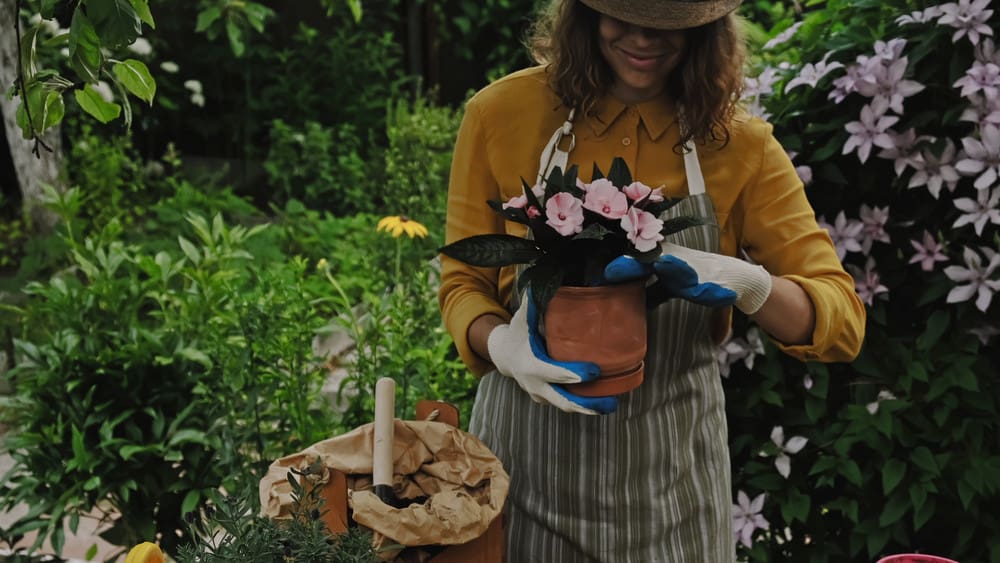
A small hand trowel or scoop helps when repotting or topping off soil, keeping the process neat. Gardening gloves protect your hands from soil and from plants with irritating sap or spines. A soft brush or cloth is useful for wiping dust from leaves, which helps plants absorb light more efficiently.
Keeping these tools together in one spot makes it more likely that you'll handle small tasks as soon as you notice them. Cleaning blades between uses also helps prevent spreading problems from one plant to another.
Feeding Plants With the Right Fertilizer
Potting soil provides some nutrients, but they're gradually used up or washed out with each watering. Over time, indoor plants benefit from occasional feeding to support healthy leaves and steady growth.
Liquid fertilizers mixed with water are easy to apply during regular watering, while slow-release granules provide nutrients gradually over several weeks or months. Always follow label directions, since too much fertilizer can burn roots and damage leaves.
Timing matters. Most indoor plants grow actively in spring and summer, when they benefit from regular feeding. Growth slows in fall and winter, so many plants need little or no fertilizer during the cooler months. Matching fertilizer to the season helps avoid buildup in the soil.
How Should You Adjust Indoor Plant Care for Michigan Winters?
Indoor plants feel the effects of Michigan winters even inside the house. Shorter days mean less light, and cooler temperatures slow plant growth. As growth slows, plants use less water, which makes overwatering more likely. Checking soil moisture before every watering becomes especially important during these months.
Heated homes also tend to have very dry air. Many tropical houseplants prefer more humidity than a typical winter home provides. Grouping plants together, using pebble trays filled with water, or running a humidifier nearby can help.
Find Quality Supplies at Schwartz's Greenhouse
The right supplies make a noticeable difference in how well indoor plants grow. Quality potting soil, containers with proper drainage, simple watering tools, sharp pruners, appropriate fertilizer, and seasonal adjustments all work together to keep plants healthy and reduce common mistakes.
At Schwartz's Greenhouse, our family has served Southeast Michigan gardeners since 1939. We offer high-quality plants, garden supplies, and tools, along with knowledgeable staff ready to answer your questions. Visit us on Sibley Road in Romulus to find everything you need for caring for indoor plants and growing your skills as a gardener.