
Potting Soil vs. Garden Soil: What’s the Real Difference?
April 16, 2026
Why Lantana Is a Must-Have During Spring Planting for Long-Lasting Summer Color
May 12, 2026
Creating a garden that continuously blooms year after year is a dream for many gardeners. The key to achieving this is understanding the difference between perennial and annual plants and designing your garden accordingly. By carefully choosing a mix of both, you can ensure a beautiful, vibrant display each season without needing to replant constantly. In this post, we will explore the characteristics of perennials and annuals and provide tips on how to strategically design a garden that remains in bloom throughout the year using perennials effectively.
Why Perennials Are a Reliable Foundation
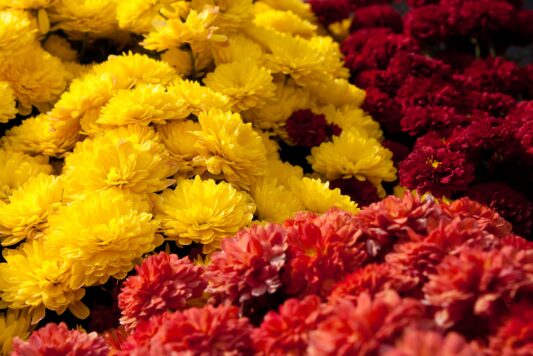
Perennial plants are those that live for more than two years, often re-emerging in the spring after a period of dormancy over the winter months. According to Michigan State University, perennial flowers such as salvia, mints, coneflowers, and daisies are excellent choices for decorative planting along front yards, decks, and fence lines, as they are beneficial for pollinators like bees. Additionally, some perennials like hardy mums are frost-resistant, allowing them to bloom into late fall. Including perennials throughout your landscape design ensures long-lasting structure, seasonal reliability, and recurring color in your outdoor spaces.
The Seasonal Impact of Annuals and Perennials
Annuals, on the other hand, complete their life cycle in one growing season. While they require replanting each year, they provide bold, vibrant color throughout the summer months. Annuals are often used to complement perennials, filling in gaps where perennial blooms may have faded. When combined, annuals and perennials create a balanced and dynamic garden display. Thoughtful placement of perennials ensures that your garden maintains a strong visual base while annuals add seasonal variety and brightness.
Designing Decorative Spaces with Perennials
When designing your garden, consider creating layers and combining both perennials and annuals for a seamless aesthetic. Start by planting perennials as the foundation along decorative areas such as walkways, fence lines, and entry spaces. These perennials provide structure and long-term consistency. Then layer in annuals to introduce seasonal color changes and enhance visual interest. This approach ensures that perennials remain the backbone of your design while allowing flexibility and creativity each year. Using perennials in this way also helps improve overall garden balance and curb appeal.
Designing a garden that blooms year-round involves understanding and using both perennials and annuals effectively. By choosing the right mix of perennials and placing them thoughtfully in decorative outdoor spaces, you can create a vibrant, low-maintenance garden that thrives season after season. For expert guidance, quality plant selection, and personalized support, contact Schwartz’s Greenhouse to explore the best perennials and annuals for your next garden project.