


Simple Ways to Shade Your Plants During Warm Fall Days
September 11, 2026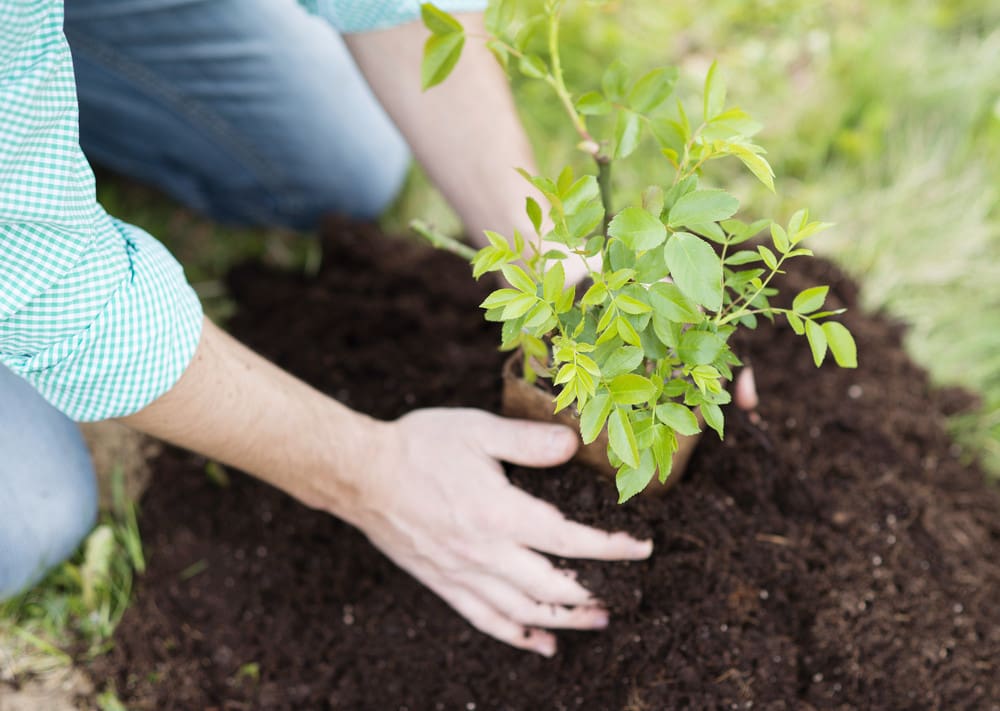
Highlights
- Fall and cool-weather planting offers warm soil and cool air, reducing water loss and plant stress.
- Soil preparation, moisture management, and proper mulching are crucial steps for autumn success.
- Strategic cool-season landscaping significantly improves curb appeal and long-term property values.
- Selecting the right seasonal varieties ensures vibrant year-round color and strong spring roots.
Why Cool-Weather Planting Works
Autumn brings crisp morning air, golden sunshine, and ideal conditions for outdoor project expansion. Many homeowners associate garden preparation strictly with early spring warmth. However, autumn presents a prime opportunity to establish resilient landscapes that thrive year after year. Understanding how ground temperatures and atmospheric moisture interact during autumn helps you make smarter investments in your property.
When air temperatures decline while soil retains lingering summer heat, root systems expand rapidly without struggling against severe atmospheric stress. Moisture stays balanced in the soil, allowing newly planted roots to absorb vital nutrients efficiently. Autumn growth focuses beneath the soil surface, yielding robust plants ready to bloom in spring.
Fun Fact Did you know? Soil remains warm long after air temperatures drop in fall, allowing roots to grow until the ground freezes solid.
Selecting hardy cool-season species guarantees vibrant colors late into the season. Integrating cold-tolerant flowers for gardening creates immediate visual contrast while protecting exposed topsoil from severe winter erosion. Working with experts at Schwartz’s Greenhouse allows property owners to select regional varieties proven to handle cold snaps without losing vitality.
Key Benefits of Autumn Landscaping
Maximizing Root Establishment
During warm summer months, foliage demands immense water reserves to keep leaves hydrated and healthy. In cool weather, top growth slows down, shifting energy downward into root production.
- Roots expand outward without heat stress.
- Natural autumn rainfall lowers irrigation demands.
- Plants enter winter dormancy fully anchored and nourished.
Enhancing Property Value and Appeal
Investing in flowers for gardening yields impressive financial rewards alongside immediate aesthetic beauty for your yard. Quality curb appeal sets a welcoming tone, inviting guests into a well-tended home. Proper fall planting ensures greenery emerges full and lush during early spring sales seasons.
According to Plant Care Today, well-designed landscaping can add as much as 14% to the resale value of your home, making autumn property upgrades a highly lucrative venture. Choosing long-lasting perennials and resilient shrubs yields substantial dividends over time.
Fun Fact Did you know? Planting shrubs in autumn requires up to fifty percent less supplemental water than spring planting due to reduced evaporation.
Essential Steps for Soil Preparation
Assessing Soil Temperature and Moisture
Before placing roots into the ground, evaluate your soil conditions carefully. Soil that is overly saturated turns into dense clods that restrict root growth. Conversely, dry, cracked dirt starves fresh roots of essential moisture.
- Test soil moisture by squeezing a handful of earth into a firm ball.
- Ensure the soil crumbles gently without dripping excess water.
- Check local soil temperature trends to time your installation before hard frosts arrive.
Enriching Ground Nutrients
Fall planting thrives when organic material is blended thoroughly into existing dirt. Compost, aged leaf mold, and organic matter loosen heavy clay while building water capacity within sandy terrain.
Incorporating rich organic compounds ensures roots access balanced nutrition throughout winter dormancy. Mixing deep soil layers creates loose earth where delicate root tips spread easily. Applying high-quality soil amendments from Schwartz’s Greenhouse gives delicate foliage the ultimate foundation for enduring winter freezes.
Top Cold-Tolerant Varieties to Plant
Selecting Resilient Perennials
Certain varieties tolerate frost exceptionally well, offering brilliant autumn colors when other species fade away. Selecting proven cold-hardy choices transforms quiet autumn beds into stunning outdoor focal points.
Adding robust flowers for gardening keeps your outdoor beds visually captivating straight through late November frosts. Combining classic choices ensures multi-layered texture across your entire landscape layout.
- Pansies and Violas thrive through multiple freezing cycles.
- Ornamental Cabbages display rich magenta and violet hues.
- Asters deliver late-season nectar for beneficial pollinators.
- Coneflowers build deep root systems during late autumn months.
Integrating Evergreen Shrubs
Evergreens provide vital structural interest when deciduous trees drop their leaves. Planting shrubs in fall allows roots to soak up seasonal rain, preparing them for spring growth.
Positioning evergreen hedges shields delicate perennial beds from harsh winter winds. Ensure root balls receive thorough soaking immediately following installation to prevent dehydration during cold dry spells.
Best Practices for Care and Maintenance
Mastering Moisture Management
Cooler weather often tricks homeowners into abandoning regular watering routines entirely. While evaporation rates decline sharply in autumn, young roots still require steady moisture to establish.
Soak deep roots thoroughly right after planting, then monitor natural rainfall closely. Supplemental water prevents shallow roots from drying out when cold winds sweep across dry topsoil.
For detailed guidelines on seasonal moisture management, explore resources offered by the U.S. Environmental Protection Agency to keep your soil hydrated correctly.
Applying Protective Mulch Layers
Mulching serves as an insulating thermal blanket for sensitive root networks. Spread a three-inch layer of organic bark or shredded leaves over garden beds to suppress aggressive winter weeds.
- Keep mulch two inches away from main plant stems to avoid rotting.
- Use shredded hardwood to prevent wind displacement.
- Maintain uniform depth across all planting beds for consistent soil temperatures.
Protecting Foliage from Early Frosts
Unseasonal early freezes can shock young foliage before roots anchor fully into surrounding dirt. Keep lightweight row covers or burlap sheets handy to shield delicate foliage during sudden temperature drops.
Uncover plants promptly when morning temperatures rise above freezing so sunlight reaches the leaves. Applying these simple protective measures ensures your vibrant outdoor spaces stay pristine despite volatile seasonal transitions.
Mistakes to Avoid During Autumn Installation
Avoiding Over-Fertilization
Excessive nitrogen application late in the year forces plants to generate soft foliage, which tender shoots freeze quickly under frost. Avoid high-nitrogen fertilizers after late summer to allow natural growth cycles to slow down normally.
Focus instead on gentle root-stimulating compounds rich in phosphorus and potassium. Consult the soil testing guidelines at the Purdue University Extension to select balanced soil treatments suitable for late-season application.
Preventing Shallow Planting Depth
Planting root balls too close to the surface exposes roots to harmful freeze-thaw cycles. As ground moisture freezes and thaws repeatedly, soil expands and lifts shallow plants upward.
- Dig planting holes twice as wide as the root ball.
- Set plants at the exact depth they grew inside container pots.
- Firm soil around roots to eliminate damaging air pockets.
Using reliable flowers for gardening planted at proper depths guarantees strong, resilient spring performance.
Investing thoughtful effort into cool-weather planting establishes a healthier, vibrant landscape that thrives for years to come. Fall conditions offer ideal moisture levels and manageable soil warmth, setting the stage for unmatched root development. By preparing soil carefully, selecting hardy varieties, and insulating roots with mulch, you safeguard your garden through winter while boosting curb appeal. Connect with the knowledgeable team at Schwartz’s Greenhouse to discover top-tier plants and expert guidance for your next project.
Frequently Asked Questions
How late into the fall season can I safely plant in my yard?
You can plant safely as long as the ground remains unfrozen and workable. Aim to install new plants six weeks before hard ground freezes occur to allow root establishment.
What are the best cold-hardy flowers for gardening during late fall?
Pansies, violas, ornamental kale, mums, and asters represent top options. These varieties tolerate sudden frosts while adding vibrant, lasting color to cool-season landscapes.
What products and services does Schwartz’s Greenhouse offer for home gardeners?
Schwartz’s Greenhouse provides premium cold-hardy plants, high-grade organic soils, customized fertilizers, and expert landscaping advice tailored to local seasonal growing conditions.