

3 Creative Ways to Decorate Your Home for the Spring Season
June 3, 2026
How Native Perennials Support Bees, Butterflies, and Hummingbirds
June 3, 2026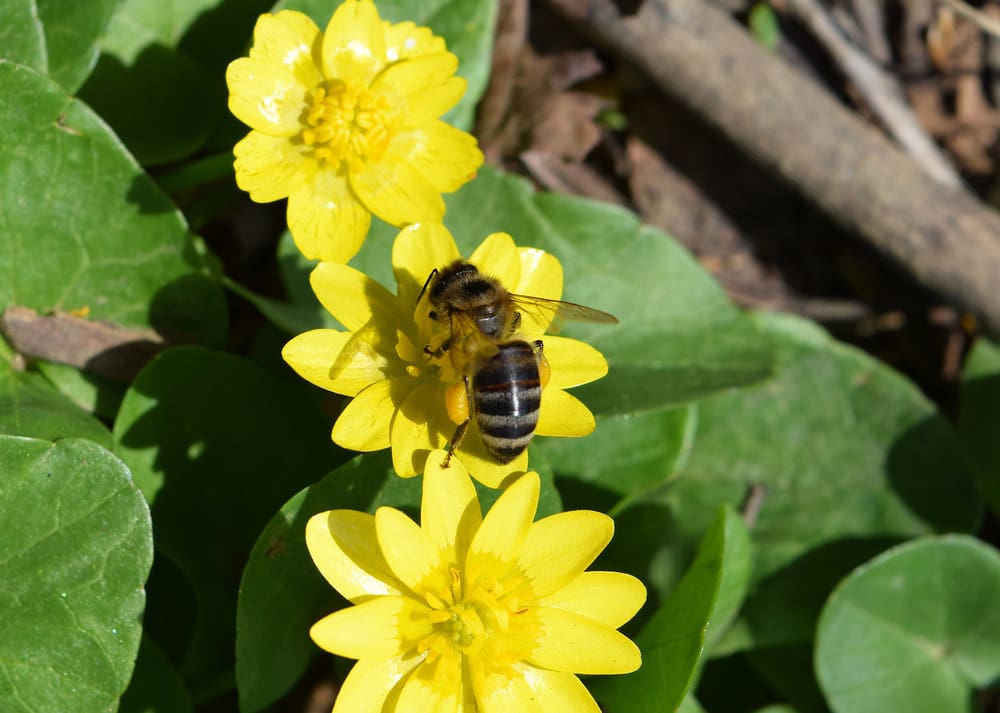
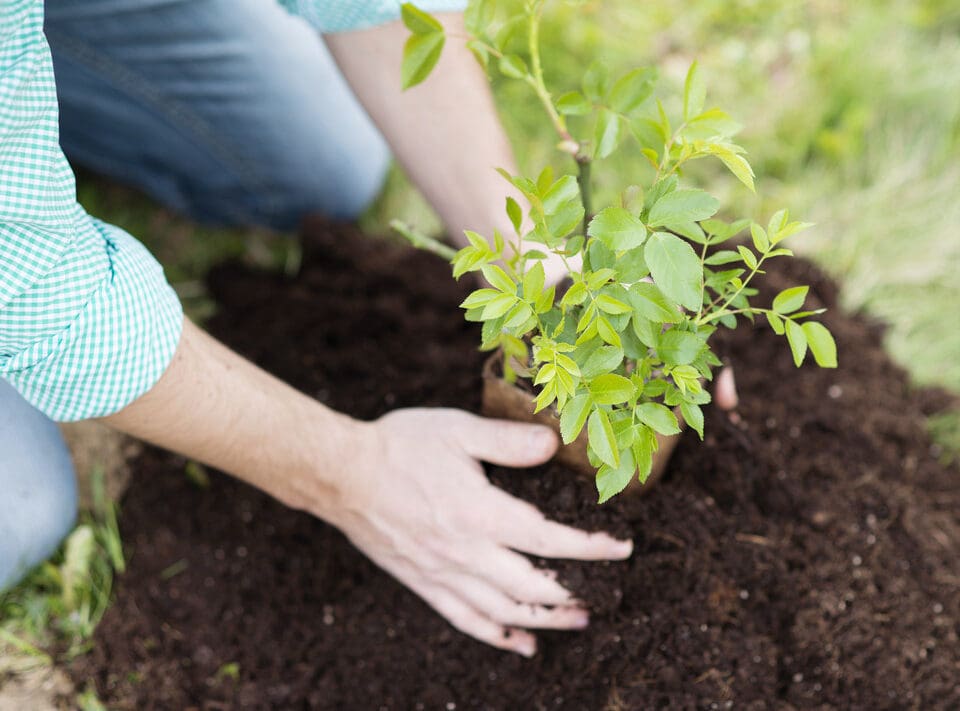
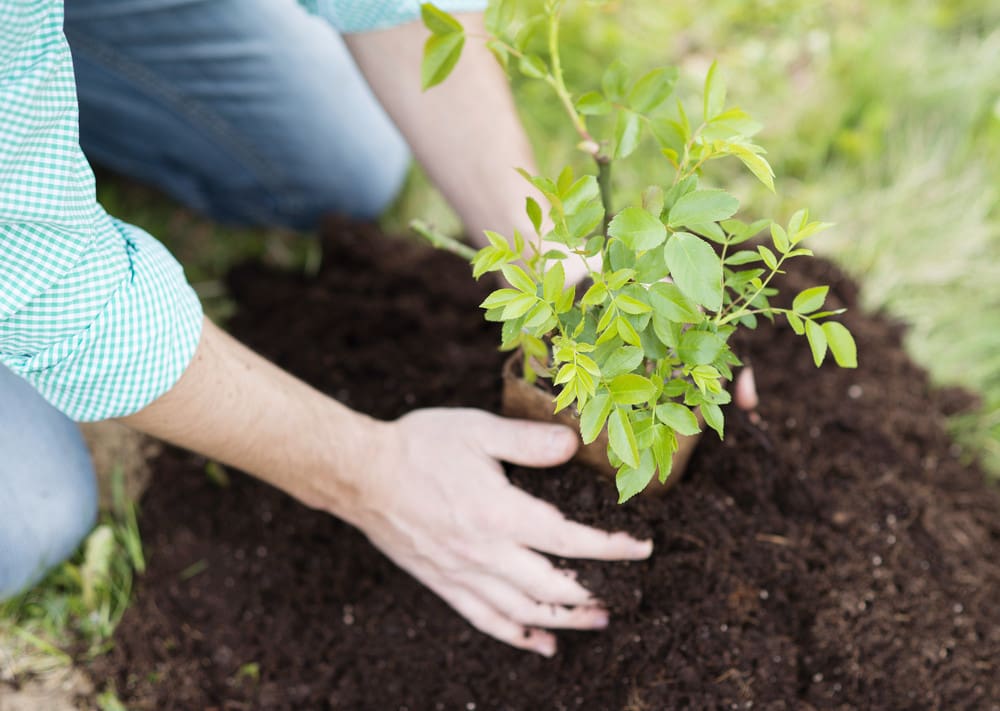
In recent years, there has been an increasing interest in creating gardens and planting vegetables that are not only aesthetically pleasing but also beneficial for the environment. One significant way to achieve this is by incorporating pollinator-friendly plants into our green spaces. These plants offer vast ecological benefits and can substantially reduce the need for synthetic chemicals commonly used in gardening. By fostering a welcoming environment for pollinators, gardeners can cultivate thriving ecosystems within their own backyards.
They Attract Essential Pollinators
Pollinator-friendly plants, such as Bee Balm and Coral Bells, attract essential pollinators such as bees, butterflies, and hummingbirds, which play a crucial role in the fertilization of many plants. By encouraging the presence of these natural workers, gardeners experience better plant health when planting vegetables and flowers, and increased yields, which reduces reliance on synthetic fertilizers. Pollinators assist in the natural reproduction of flora, leading to a more self-sustaining garden. This interdependence between plants and pollinators diminishes the necessity for chemical interventions to sustain plant vitality.
They Naturally Repel Pests
Additionally, creating a pollinator-friendly habitat reduces the need for chemical pesticides. Many pollinator-friendly plants naturally repel pests or attract beneficial insects that control pest populations. This biological pest control method not only minimizes the use of harmful chemicals but also protects the soil and water quality when planting vegetables and flowers. As a result, gardeners cultivate healthier, chemical-free produce while contributing to a balanced ecosystem. It’s no surprise that 42% of those who spend time gardening at home, according to HouseBeautiful, report feeling healthier and happier, a testament to the positive impact of engaging with nature.
They Improve Biodiversity
Moreover, pollinator-friendly gardens improve biodiversity by offering various habitats and food sources for wildlife. This increased biodiversity creates resilient ecosystems that can better withstand environmental stressors, making these gardens less dependent on chemical inputs. Healthy ecosystems naturally regulate themselves, reducing the gardener’s workload and further alleviating the need for synthetic solutions. By supporting pollinators, gardeners contribute to the global effort of conserving these vital creatures, ensuring the continued success of agriculture and natural food chains.
Incorporating pollinator-friendly plants into gardens when planting vegetables and flowers not only supports the environment but also brings about practical benefits such as reduced chemical usage. By relying on natural processes and fostering biodiversity, gardeners contribute to sustainable practices that enhance both human health and ecological well-being. Embracing nature’s allies, the pollinators, leads to flourishing gardens and happier, more fulfilled lives. For more tips, visit us today at Schwartz’s Greenhouse!