
How to Tell If Your Garden Is Getting Too Much or Too Little Water
June 11, 2026
Simple Ways to Keep Your Garden Healthy During Hot, Sunny Weather
July 9, 2026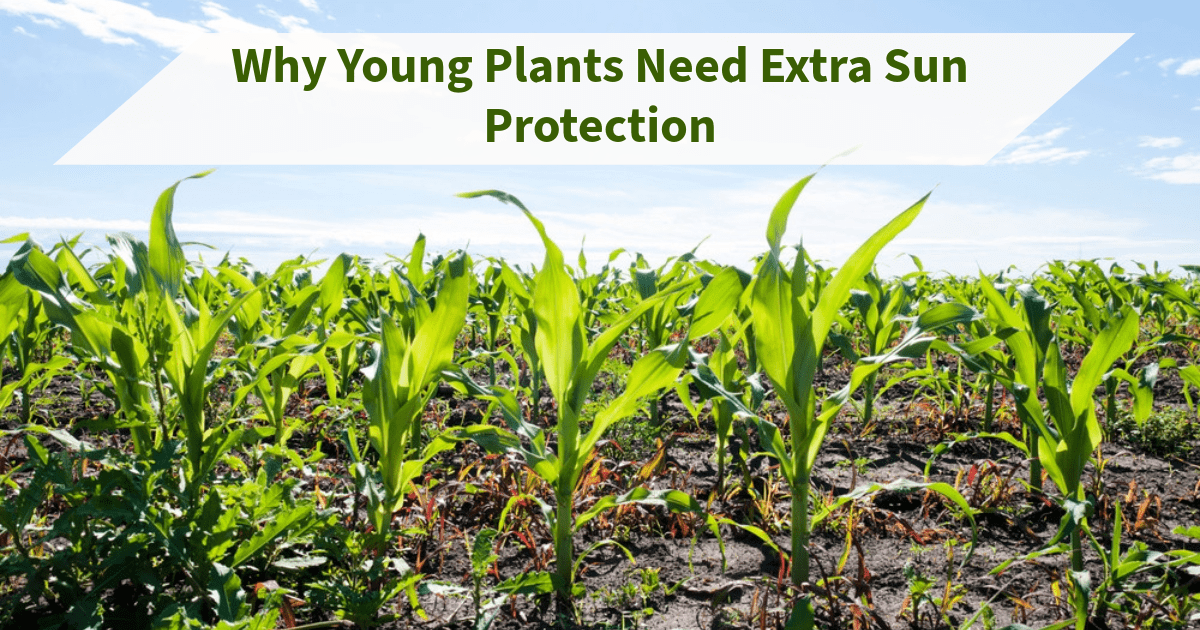
Caring for young plants can be a rewarding experience for gardeners of all levels. However, as we nurture these budding greens towards maturity, we often overlook one of the essential care elements – sun protection. While sunlight is crucial for plant photosynthesis and growth, young plants, much like infants, need extra attention and care when it comes to sun exposure. Understanding why sun protection is necessary and how to properly provide it will not only fortify your plants’ health but also ensure a more productive garden.
Why Young Plants Need Extra Sun Protection
Young landscape plants have tender, undeveloped foliage that is particularly vulnerable to the intense rays of the sun. Unlike their mature counterparts, which have developed thicker cuticles, young plants are still in the process of building their defenses. This light-sensitive stage is when plants can become easily sunburned, leading to stunted growth and wilting. Gardeners need to be especially mindful of this, especially given that, according to Garden Pals, 55% of American households engage in gardening activities. With such a large number of people involved in gardening, understanding plant care nuances becomes increasingly important.
How Too Much Sun Can Affect Plant Growth
Furthermore, the impact of UV radiation on young landscape plants cannot be underestimated. Prolonged exposure to the sun can lead to cellular damage in the plant’s tissues, reducing their ability to photosynthesize effectively. An overheated plant will dial down its photosynthesis process to conserve resources, which can dramatically affect its growth rate. This is why incorporating shading strategies like using protective cloths or planting young saplings under the canopy of mature plants can be beneficial.
Why Smart Watering Matters During Hot Weather
Watering practices also play a crucial role in protecting young landscape plants from sun damage. During hot spells, moisture content in the soil can evaporate quickly, leaving plants dehydrated. Regular hydration is essential, but it’s equally important to water early in the morning or late in the evening, mitigating evaporation and allowing plants to retain hydration as they withstand harsh sunlight throughout the day. A well-hydrated plant is less susceptible to the adverse effects of excessive heat.
Safeguarding young landscape plants from sun damage is a critical aspect of gardening. By understanding the vulnerabilities of young plants and implementing strategic measures like shading and optimal watering practices, gardeners can ensure healthier growth patterns and more vibrant plants. As gardening continues to gain popularity, equipping oneself with the right knowledge will help newcomers and seasoned enthusiasts alike to foster a greener and more sustainable environment. For more tips, visit us today at Schwartz’s Greenhouse.