

Why a Veggie Garden Is a Practical Choice During Rising Food Costs
June 3, 2026
Why Young Plants Need Extra Sun Protection
June 11, 2026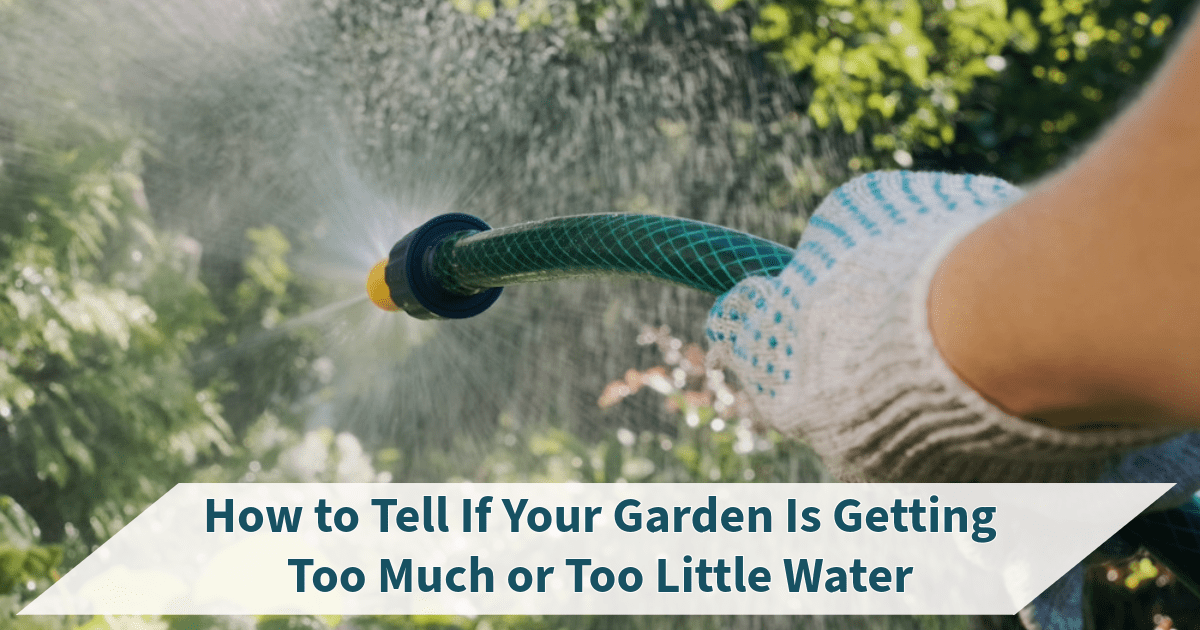
Creating and maintaining a flourishing garden can be therapeutic for many people. In fact, 50% of survey respondents explained that gardening helped them to feel calm, according to HouseBeautiful. However, one of the key challenges of gardening is to ensure that your plants receive the right amount of water. Both overwatering and underwatering can harm your plants, impacting their growth and overall health.
Signs Your Garden Is Getting Too Much Water
One of the primary signs of overwatering your garden is fungal growth. When there is too much moisture in the soil, fungi can thrive, leading to diseases that spread rapidly among plants. Browning leaf tips or wilting leaves despite the soil being wet can also indicate that your plants are receiving excessive water. It’s essential to check if the topsoil feels soggy and if water is pooling around plant roots. Maintaining soil moisture, rather than saturation, encourages strong root development.
Signs Your Garden Needs More Water
On the other hand, signs of underwatering include dry, crumbly soil and plants with droopy or yellowing leaves. If the soil feels sandy or dust-like, it might be time to increase your watering schedule. Additionally, plants that appear to be wilting in the heat frequently without bouncing back in the cooler evenings may be thirsting for more water. Ensuring that water reaches deep into the root zones rather than just wetting the surface can enhance your plants’ ability to thrive.
How to Create a Healthier Watering Routine
Gardening experts recommend a regular watering routine that coincides with seasonal changes and specific plant needs. Observing and adjusting based on plant performance and soil condition is crucial. Utilizing mulch and efficient watering methods, such as drip irrigation systems, can help regulate moisture levels and protect your plants from both drought and saturation. Remember, the aim is to create a sustainable environment where each plant can flourish at its own rate.
Understanding the signs of overwatering and underwatering is critical to maintaining a healthy garden. By observing changes in plant behavior and soil condition, you can adjust your watering practices to better support your garden’s needs. With careful attention, gardening can continue to be a calming and rewarding experience. Visit us today at Schwartz’s Greenhouse to learn more!